Best Astronomy Binoculars for Stargazing (2026)
Compare 5 stargazing binoculars with 50mm to 80mm apertures, BaK-4 prisms, multi-coated optics, and 1/4-inch tripod mounting threads.
Disclosure: Spec-based comparison (not hands-on lab tested; checked Nov 27, 2026). Outbound retail links are sponsored and may earn a referral fee at no extra cost to you. Affiliate disclosure · Optical standards.
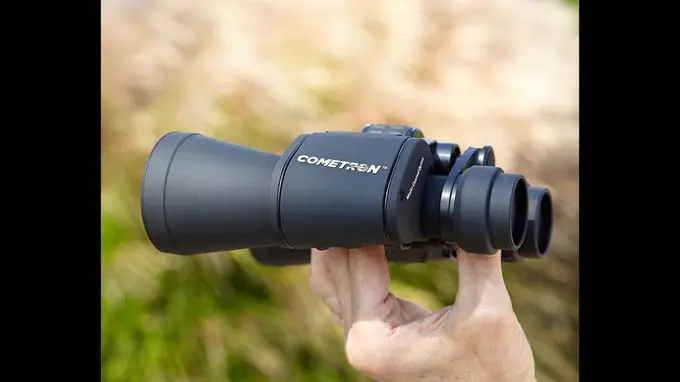
The Celestron Cometron 7x50 is the best astronomy binoculars pick for most stargazers because its 7x magnification and wide 6.6 degree field of view allow easy handheld scanning across constellations and comets. Observers seeking deep-sky magnification will prefer the Celestron SkyMaster 15x70 with its large 70mm aperture and BaK-4 prisms. Choosing between the remaining options comes down to objective lens diameter, optical magnification, and whether you plan to observe handheld or mount your optics on a tripod.
Shortlist by aperture & field fit
Best astronomy binoculars picks compared
Celestron Cometron 7x50
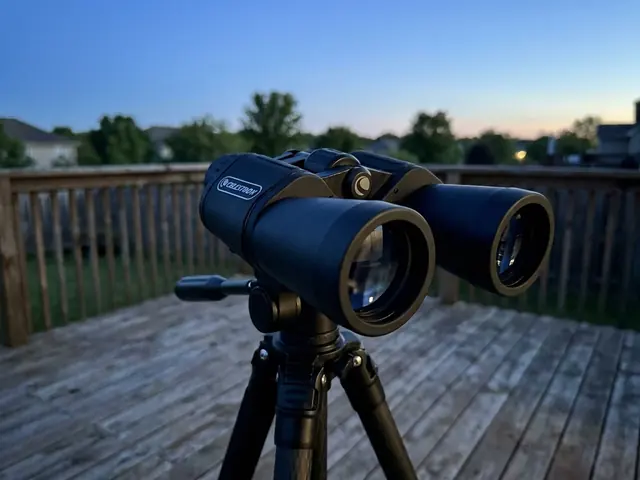
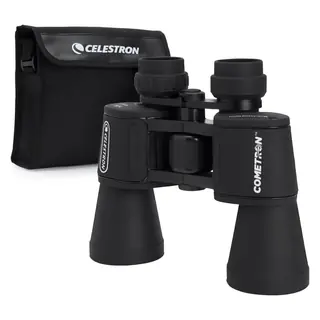
The Celestron Cometron 7x50 is an easy-to-use astronomy binocular built with 50mm objective lenses and multi-coated optics for beginners learning the night sky. Its 7x magnification delivers a wide 6.6 degree angular field of view, making it suitable for panning across the Milky Way, finding constellations, and viewing comets or star clusters. It features a water-resistant housing, a close focus distance of 26.2 feet, and a built-in tripod adapter socket. Choose this if you want an affordable, lightweight handheld optic for scanning wide night skies and daytime scenic viewing. Skip this if you need high magnification for distant planets, or note that a standard tripod adapter is not included in the box. On Nov 27, 2026, it held 4.5 stars from 4,158 ratings on Amazon with an Overall Pick badge.
4.5 / 5 (4,158 Amazon ratings, checked Nov 27, 2026)
- Objective Lens Diameter
- 50 millimeters
- Magnification Maximum
- 7 x
Celestron SkyMaster 15x70
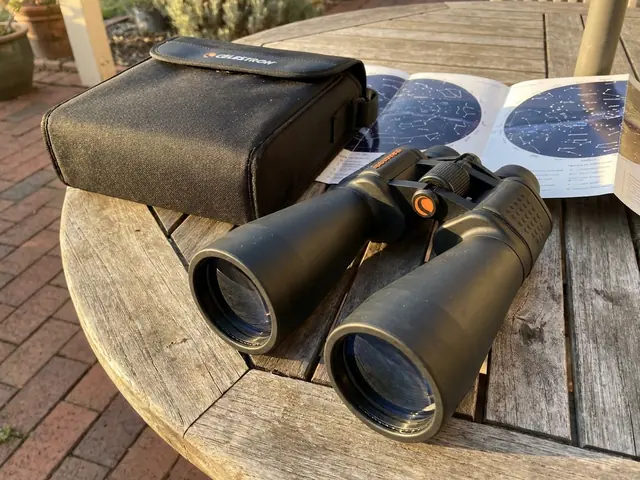
The Celestron SkyMaster 15x70 pairs 15x magnification with large 70mm objective lenses and BaK-4 prisms to maximize light throughput for deep-sky observation. The rubber-armored housing provides a secure grip and water-resistant protection in damp nighttime conditions near dawn and dusk. Due to its size and weight, it features an integrated 1/4"-20 adapter that attaches directly to most traditional photo tripods in seconds. Choose this if you want powerful light-gathering capability to view dim celestial targets and long-distance land objects without buying a full telescope. Skip this if you plan on holding binoculars by hand for extended periods, as steady viewing requires a separate photo tripod. As of Nov 27, 2026, it holds 4.4 stars from 8,616 ratings on Amazon.
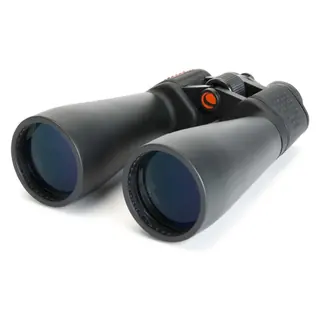
4.4 / 5 (8,616 Amazon ratings, checked Nov 27, 2026)
- Objective Lens Diameter
- 7 centimeters
- Magnification Maximum
- 15 x
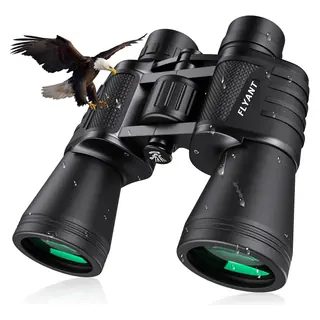
FLYANT 20x50 Binoculars
The FLYANT 20x50 Binoculars combine 20x magnification with 50mm objective lenses, a 26mm eyepiece, and a 168-yard field of view at 1000 yards. Its optical construction uses a BAK4 Porro prism with 99.8 percent light transmission, multilayer-coated aspherical lenses, and green FMC anti-reflective coating. Focusing is handled via a soft rubber center focus wheel, while textured ergonomic handles provide impact resistance. Choose this if you want a compact, shock-resistant 20x optic for stargazing, birdwatching, and outdoor travel. Skip this if you need full submersible waterproofing, as the housing is rated for daily water resistance and cannot be immersed in water. On Nov 27, 2026, the listing recorded 4.4 stars from 5,839 ratings on Amazon with over 6K bought in the past month.
4.4 / 5 (5,839 Amazon ratings, checked Nov 27, 2026)
- Objective Lens Diameter
- 50 millimeters
- Magnification Maximum
- 20 x
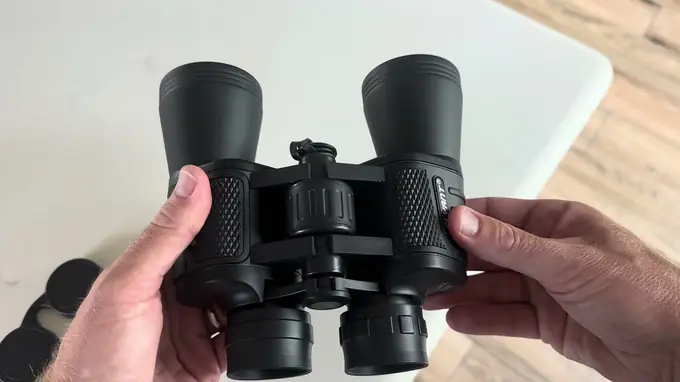
Sogries 18x70 Pro Binoculars
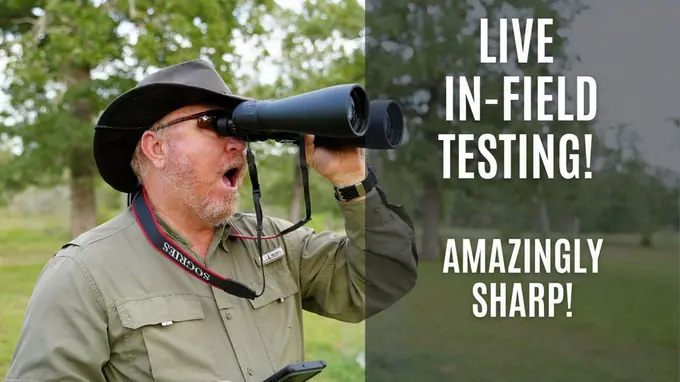
The Sogries 18x70 Pro Binoculars feature 18x magnification and 70mm objective lenses paired with BAK-4 prisms and fully multi-coated FMC glass. Built with a metal barrel, rubber armor, and IPX7 waterproof and fogproof protection, this unit withstands harsh field conditions. It incorporates a 1/4"-20 tripod thread, an included tripod adapter, and a universal smartphone adapter fitting phones 2.09 to 3.54 inches wide for digiscoping. Choose this if you want an all-weather optic with included tripod and smartphone adapters to capture photos of star clusters. Skip this if you need a lightweight handheld binocular, as its heavy metal barrel makes a stationary mount necessary for precise viewing. As of Nov 27, 2026, it holds 4.3 stars from 421 ratings on Amazon.
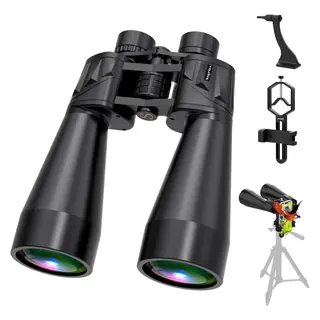
4.3 / 5 (421 Amazon ratings, checked Nov 27, 2026)
- Objective Lens Diameter
- 7 centimeters
- Magnification Maximum
- 18
Sogries 20x80 Binoculars
The Sogries 20x80 Binoculars deliver 20x magnification and large 80mm objective lenses with BaK-4 prisms for observing the Moon, star clusters, and deep-sky targets. The optical housing features rubber armor, waterproof construction, and O-ring sealing to block dust and moisture debris from entering the barrels. It connects via a 1/4 thread tripod mount to eliminate vibration, and comes with an inner leather bag for storage. Choose this if you want maximum aperture and light gathering to observe dim celestial objects at 20x power. Skip this if you plan to observe without a mount, because its 4.66lb (2113g) weight places substantial burden on your arms and neck during handheld use. On Nov 27, 2026, it held 4.3 stars from 421 ratings on Amazon.
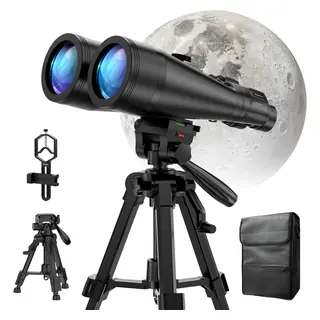
4.3 / 5 (421 Amazon ratings, checked Nov 27, 2026)
- Objective Lens Diameter
- 8 centimeters
- Magnification Maximum
- 20 x
How to choose astronomy binoculars
Selecting the right pair of binoculars for astronomy involves balancing aperture size, magnification, optical coatings, and mount stability. Before setting up your optical gear, verify mount thread and payload compatibility, and never observe the Sun without a certified solar filter.
Balance aperture size and total weight
Objective lens diameter dictates light collection under dark skies. Standard 50mm lenses gather ample light for constellations and open clusters while keeping weight manageable for handheld observation. Stepping up to 70mm or 80mm lenses significantly boosts light throughput for faint deep-sky targets and lunar surface features. However, larger objective elements increase physical mass: an 80mm model weighs 4.66lb (2113g). For extended stargazing sessions without arm fatigue, mounting heavy binoculars on a best heavy duty carbon tripod provides rigid vibration dampening.
Magnification power and field of view
Magnification determines image scale and how much sky remains visible through the eyepieces. A moderate 7x magnification provides an expansive 6.6 degree angular field of view, making it easy to sweep across the Milky Way and track moving satellites. Higher magnifications, such as 15x, 18x, or 20x power, pull in tighter views of craters on the Moon and separate binary stars, but they narrow the visible field down to spans like 168 yards at 1000 yards. Observers who want even greater magnification and automated tracking for planetary rings often graduate to a best beginner astronomy telescope instead.
Optical prisms and multi-coated glass
Optical glass quality directly affects image brightness and contrast when stargazing in low-light conditions. High-refraction BaK-4 Porro prisms provide superior light transmission compared to standard optical glass, reaching up to 99.8 percent throughput. Fully multi-coated FMC lenses and anti-reflective coatings reduce stray light reflection, preserving crisp resolution when viewing bright star clusters against dark skies. Rubber-armored housings with O-ring seals or IPX7 waterproof ratings protect internal optics from ambient dampness during late-night observation.
Tripod adapters and cold weather accessories
Binoculars with magnifications of 15x or higher amplify natural hand tremors, causing celestial targets to shake in the field of view. Most high-power models include or feature built-in 1/4"-20 adapter threads that connect directly to standard photo tripod plates. Stargazing in humid evening air often leads to moisture condensation forming across exposed glass surfaces. Wrapping a best telescope dew heater around the lens barrels prevents optical fogging during cold, damp observing nights.
Optical & mount spec matrix
| Optic / Gear | Best use | Key optical specs | Buyer ratings | Link |
|---|---|---|---|---|
 Celestron Cometron 7x50 | Best overall | Objective Lens Diameter: 50 millimeters; Magnification Maximum: 7 x | 4.5★ (4,158) | See listing |
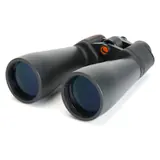 Celestron SkyMaster 15x70 | Best for deep-sky stargazing | Objective Lens Diameter: 7 centimeters; Magnification Maximum: 15 x | 4.4★ (8,616) | See listing |
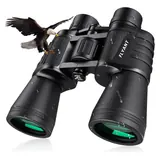 FLYANT 20x50 Binoculars | Best compact high-power | Objective Lens Diameter: 50 millimeters; Magnification Maximum: 20 x | 4.4★ (5,839) | See listing |
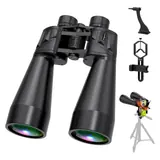 Sogries 18x70 Pro Binoculars | Best with smartphone adapter | Objective Lens Diameter: 7 centimeters; Magnification Maximum: 18 | 4.3★ (421) | See listing |
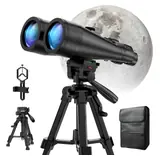 Sogries 20x80 Binoculars | Best large aperture 80mm | Objective Lens Diameter: 8 centimeters; Magnification Maximum: 20 x | 4.3★ (421) | See listing |
Backyard astronomy gear FAQ
What are the best binoculars for astronomy beginners?
The Celestron Cometron 7x50mm Astronomy Binoculars provide an easy, affordable way to learn the night sky. With 7x magnification, 50mm objective lenses, and a wide 6.6 degree angular field of view, they excel at scanning constellations, comets, and star clusters.
What is the best size binoculars for astronomy?
A 7x50mm configuration offers a wide 6.6 degree field of view that is easy to hold steady for wide-sky scanning. For observing distant targets like the Moon and deep-sky objects, larger 70mm and 80mm objective lenses gather more light but generally require mounting on a tripod.
What tripod setup works best for binoculars in astronomy?
Large optical sets like the Celestron SkyMaster 15x70 and Sogries 18x70 feature standard 1/4"-20 adapter threads to connect to photo tripods. Stargazing binoculars with 80mm lenses weigh 4.66lb (2113g), making a stable tripod essential to eliminate vibration and arm fatigue.
What are the best astronomy binoculars for 2026 stargazing?
For high-magnification observation, the Sogries 20x80 delivers 20x power with 80mm objective lenses and BaK-4 prisms for detailed views of the Moon and celestial objects. Observers seeking digiscoping capabilities can choose the Sogries 18x70, which includes a universal smartphone adapter fitting phones 2.09 to 3.54 inches wide.
More astronomy & optics guides
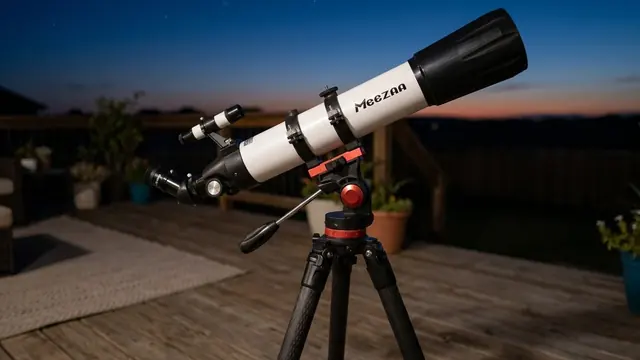 TelescopesBest Beginner Astronomy Telescope Picks for Stargazing (2026)Compare 80mm, 90mm, and 150mm refractor and reflector telescopes by aperture, focal length, mount type, and included accessories.Read
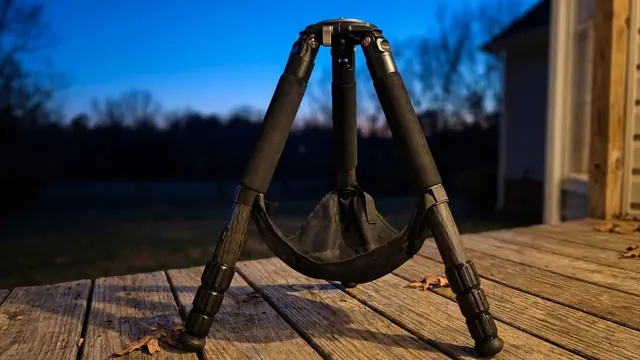 Tripods & MountsBest Heavy Duty Carbon Tripod: 5 Top Picks (2026)Five carbon fiber tripods compared by tube diameter, payload limit, bowl mount size, and folded length for telescope and camera setups.Read
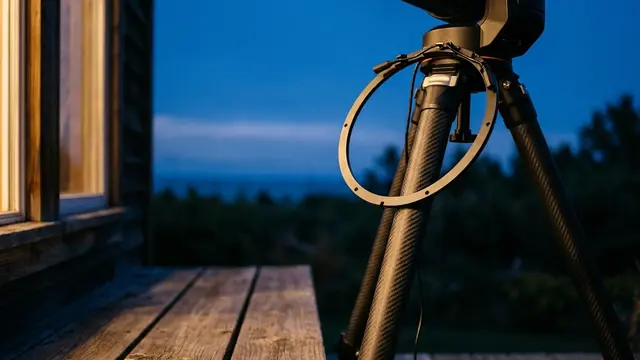 Field GearBest Telescope Dew Heater Picks for Cold Nights (2026)Compare aluminum dew heater rings and heating strips by lens diameter, voltage compatibility, cable length, and temperature adjustments.Read