Telescope Magnification, Exit Pupil & True FOV Calculator
Enter telescope aperture, focal length and eyepiece specs to check focal ratio, magnification, exit pupil brightness and practical visual limits.
Understanding telescope optical limits
A telescope's real resolving power comes from aperture diameter (mm), not box-cover magnification numbers. Practical maximum visual magnification is roughly 2x aperture in millimeters (160x for an 80mm refractor). Keep exit pupil between 1mm and 5mm for crisp star clusters, Moon craters and planetary detail.
Frequently asked questions
What is the maximum useful magnification of a telescope?
Under steady skies, the practical ceiling is about 2x aperture in millimeters (50x per inch of aperture). Pushing higher magnifies blur rather than revealing new detail.
What exit pupil is best for backyard stargazing?
An exit pupil of 2mm to 5mm works well for star clusters and bright nebulae, while 0.8mm to 1.5mm is ideal for lunar craters and planets.
Related buying guides
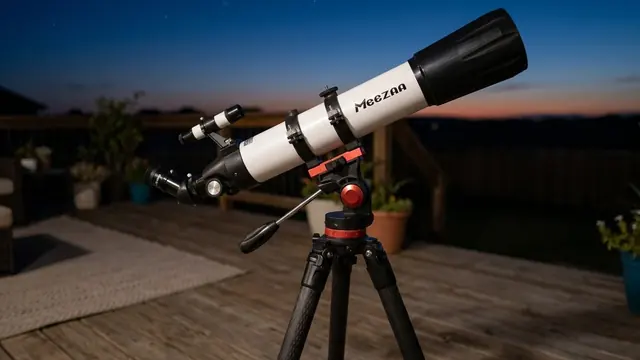 Best Beginner Astronomy Telescope Picks for Stargazing (2026)Compare 80mm, 90mm, and 150mm refractor and reflector telescopes by aperture, focal length, mount type, and included accessories.Read
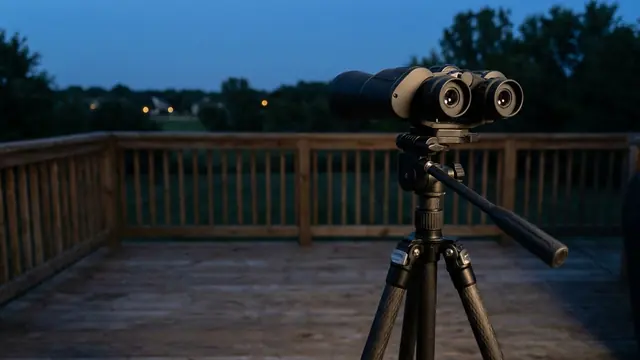 Best Astronomy Binoculars for Stargazing (2026)Compare 5 stargazing binoculars with 50mm to 80mm apertures, BaK-4 prisms, multi-coated optics, and 1/4-inch tripod mounting threads.Read
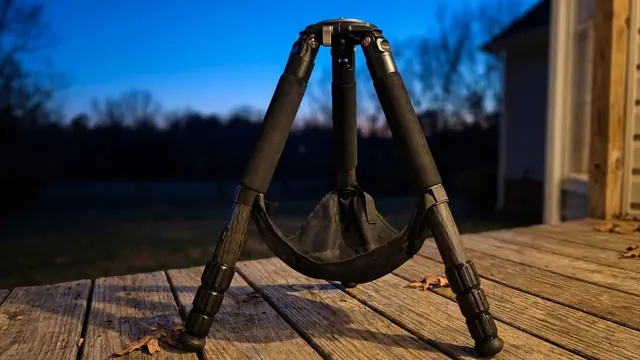 Best Heavy Duty Carbon Tripod: 5 Top Picks (2026)Five carbon fiber tripods compared by tube diameter, payload limit, bowl mount size, and folded length for telescope and camera setups.Read
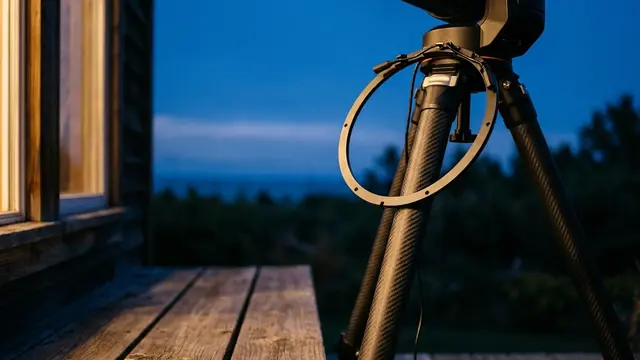 Best Telescope Dew Heater Picks for Cold Nights (2026)Compare aluminum dew heater rings and heating strips by lens diameter, voltage compatibility, cable length, and temperature adjustments.Read